
Did you know regular upkeep can make your car last up to 50% longer? With most Americans owning a car for about 8.4 years, keeping it in good shape is key. It ensures your car stays reliable and lasts longer.
Keeping your car in top condition might seem hard, but it’s actually easy with the right tips. By following simple car care practices, you can keep your vehicle running smoothly. This way, you can avoid expensive repairs later on.
We aim to give you the best tips for keeping your car healthy. This includes checking important fluids and taking care of the inside and outside of your vehicle.
Key Takeaways
- Regular checks can help prevent major repairs.
- Simple practices can extend your vehicle’s lifespan.
- Proper care enhances your vehicle’s reliability.
- Maintaining your vehicle can save you money in the long run.
- Easy-to-follow tips can make vehicle upkeep straightforward.
Understanding the Importance of Vehicle Maintenance
Regular maintenance is key to keeping your vehicle in top shape. It’s not just a routine task. It’s essential for your car’s safety, efficiency, and reliability.
Maintaining your vehicle might seem hard, but it’s doable. Breaking it down into smaller tasks helps. Regular checks prevent small problems from turning into big ones.
Why Regular Maintenance Matters
Regular maintenance is important because it spots issues early. This avoids expensive repairs later. Here are some reasons why it’s so important:
- Prevents Breakdowns: Regular checks catch problems before they cause a breakdown.
- Improves Safety: A well-maintained car is safer, reducing accident risks.
- Enhances Performance: A well-kept car runs better and more efficiently.
Consequences of Neglecting Your Car
Ignoring your car’s maintenance can lead to serious problems. These include:
- Costly Repairs: Ignoring maintenance can lead to expensive fixes as small issues grow.
- Reduced Safety: A neglected car is a safety risk, endangering you and others.
- Decreased Fuel Efficiency: Poor maintenance means your car uses more fuel, costing you more.
Benefits of Keeping Your Vehicle in Shape
Maintaining your vehicle has many benefits. These include:
- Improved Fuel Efficiency: A well-maintained car uses less fuel, saving you money.
- Enhanced Safety: Regular maintenance keeps your vehicle safe to drive.
- Longer Vehicle Life: Proper care can make your vehicle last longer, delaying the need for a new one.
Understanding the importance of vehicle maintenance leads to a safer, more efficient, and reliable driving experience.
Essential Fluids to Monitor in Your Car
To keep your vehicle running smoothly, it’s vital to monitor its essential fluids regularly. These fluids play a critical role in the overall performance and longevity of your car.
Engine Oil: The Lifeblood of Your Vehicle
Engine oil is key for lubricating your car’s engine. It reduces friction between moving parts and prevents overheating. Regularly checking your engine oil level can help prevent damage to your engine.
- Check your oil level at least once a month.
- Use the dipstick to determine the oil level.
- Refer to your owner’s manual for the correct type of oil to use.
Tip: Consider changing your engine oil every 5,000 to 7,500 miles, depending on your vehicle’s specifications and driving conditions.
Coolant: Keeping Your Engine Cool
Coolant, or antifreeze, is vital for regulating your engine’s temperature. It prevents your engine from overheating in the summer and freezing in the winter.
- Check the coolant level regularly.
- Ensure the coolant is at the recommended level.
- Use a 50/50 mix of coolant and water, or as specified by your vehicle’s manufacturer.
Warning: Never open the coolant reservoir when the engine is hot, as this can cause serious injury.
Brake Fluid: Ensuring Safety on the Road
Brake fluid is essential for your car’s braking system. It transfers pressure to the brake calipers, allowing your vehicle to stop safely.
- Check your brake fluid level regularly.
- Look for signs of leakage around the brake lines and calipers.
- Refer to your owner’s manual for the correct type of brake fluid to use.
Tip: If you notice your brake fluid level is low, have your brake system inspected by a professional mechanic.
Tire Care: Your Vehicle’s Contact with the Road
Your vehicle’s tires are its only contact with the road, making their maintenance vital. Proper tire care not only enhances your vehicle’s performance but also ensures your safety on the road. In this section, we will discuss the essential aspects of tire care that every car owner should know.
Checking Tire Pressure Regularly
One of the simplest yet most effective car care tips for beginners is checking tire pressure regularly. Proper tire pressure can improve your vehicle’s fuel efficiency, handling, and overall safety. We recommend checking your tire pressure at least once a month and before long trips. You can find the recommended pressure level in your vehicle’s owner’s manual or on the tire information placard on the driver’s side doorjamb.
Underinflated tires can lead to reduced traction, increased risk of tire failure, and poor fuel economy. On the other hand, overinflated tires can cause reduced grip on the road, making your vehicle more susceptible to damage from road debris. Maintaining the correct tire pressure is a straightforward way to ensure your vehicle’s optimal performance.
Understanding Tread Depth
Tread depth is another critical factor in tire maintenance. Adequate tread depth ensures your vehicle has sufficient traction on the road, even in wet or slippery conditions. You can check your tire’s tread depth using a penny; insert the penny into the tire groove with Lincoln’s head facing down. If you can see the top of Lincoln’s head, your tread is worn out, and it’s time to consider replacing your tires.
Adequate tread depth is critical for maintaining control of your vehicle and preventing hydroplaning on wet roads. Regularly inspecting your tread depth is a vital car care tip for beginners to ensure their safety on the road.
When to Rotate or Replace Tires
Rotating your tires regularly is essential for achieving even wear and extending their lifespan. We recommend rotating your tires every 5,000 to 8,000 miles, depending on your vehicle’s specifications. Also, inspect your tires for signs of uneven wear, such as feathering or cupping, which can indicate issues with your vehicle’s alignment or suspension.
Replacing your tires when necessary is critical for maintaining your vehicle’s safety and performance. If you notice significant wear or damage, it’s time to replace your tires. By following these tire care tips, you can enhance your vehicle’s overall performance, safety, and efficiency.
Battery Maintenance: Keeping the Power Flowing
Keeping your car’s battery in good shape is easy but very important. A healthy battery is key for starting your car and running its electrical systems. Knowing when your battery is failing and how to make it last longer can save you from being stuck and cut down on expensive replacements.
Signs of a Failing Battery
Spotting the signs of a failing battery early can help you act fast. Look out for these common signs:
- Dim or Flickering Headlights: A weak battery can make your headlights dim or flicker.
- Slow Engine Crank: If your engine takes longer to start, your battery might be losing its charge.
- Swollen Battery Case: A swollen battery case means it’s overheating, which can cause it to fail.
- Age: Most car batteries last 3 to 5 years. If yours is getting close to or has passed that age, it’s likely nearing the end.
Tips for Extending Battery Life
To make your car’s battery last longer, follow these tips:
- Keep the Battery Clean: Corrosion on the terminals can drain the battery. Clean them with a mix of baking soda and water regularly.
- Check the Battery’s Charge: Use a multimeter to check the battery’s voltage. It should be around 12.6 volts when fully charged.
- Avoid Short Trips: Short trips can stop the battery from fully charging, shortening its life.
- Turn Off Accessories: Make sure all lights, radios, and other accessories are off when the engine isn’t running. This prevents extra drain on the battery.
By sticking to these maintenance tips, you can extend your car’s battery life. This keeps your vehicle running smoothly and reliably.
Brake System: Ensuring Your Safety
A well-maintained brake system is key for safe driving. It helps prevent expensive repairs later. Your vehicle’s brakes are vital for stopping safely. Ignoring them can cause serious issues.
Recognizing Warning Signs
Knowing the signs of brake wear is important. This way, you can fix problems before they get worse. Look out for:
- Squealing or grinding noises when applying the brakes
- A soft or spongy brake pedal
- Vibrations or pulsations when braking
Ignoring these signs can lead to more severe problems, such as brake failure, which can be catastrophic.
Importance of Regular Inspections
Regular brake system checks are vital. They help spot issues early, ensuring your brakes work right. Make sure to include brake inspections in your car maintenance schedule to avoid brake problems.
A mechanic will examine your brake pads, rotors, and more during an inspection. They’ll give you a detailed report on any repairs needed.
By keeping up with brake maintenance and fixing issues quickly, you keep your vehicle safe. This also saves you from expensive repairs.
Exterior Care: Protecting the Paint and Finish
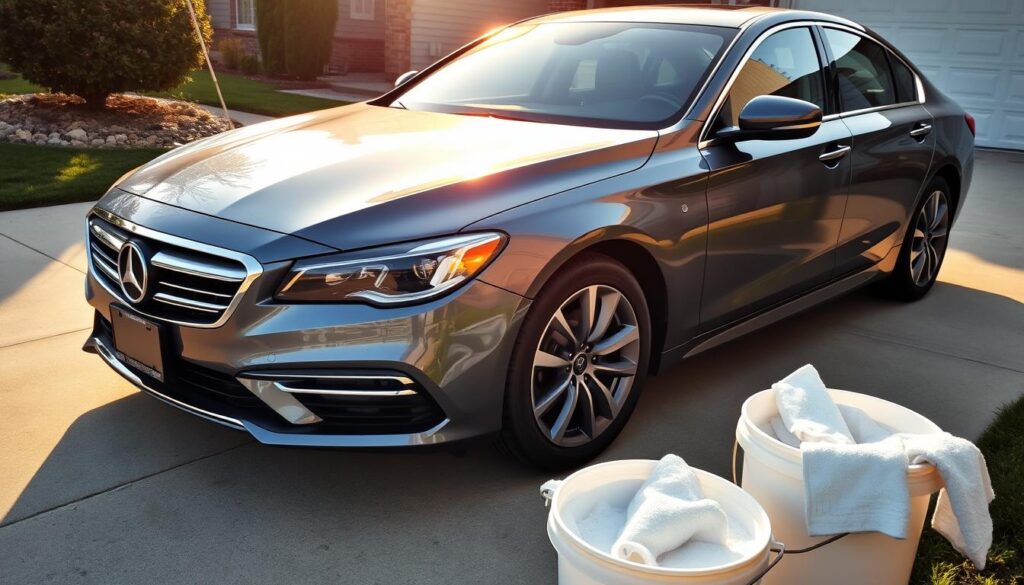
Keeping your car’s paint and finish in good shape is key to its value and looks. A well-maintained exterior not only keeps your car looking great but also shields it from the weather. We’ll show you how to keep your car’s outside looking its best.
Washing and Waxing: A Necessary Routine
Washing and waxing your car regularly is vital. Washing gets rid of dirt and debris that can harm the paint. Waxing adds a protective layer against the weather.
- Wash your car every two weeks, or more if it’s in harsh weather.
- Use a mild soap and avoid circular motions to avoid scratches.
- Wax your car every 2-3 months to keep the protective layer strong.
For more tips on car care, check out our page on selling your car. Learn how keeping your car in good shape can boost its value.
How to Remove Scratches and Dents
Scratches and dents can really hurt your car’s looks. Here’s how to fix them:
- For small scratches, use a scratch remover or touch-up paint.
- For deeper scratches, get a pro’s help.
- For dents, try a dent removal kit or get a pro for big ones.
Prevention is key: Regular waxing can prevent small scratches. And parking in a garage can help avoid dents.
Interior Maintenance: Keeping Your Cabin Comfortable
Keeping your car’s interior clean can make driving more fun and extend your car’s life. A tidy cabin makes every drive better and keeps your car in top shape.
Regular Cleaning and Vacuuming
Cleaning your car regularly is key to getting rid of dirt and dust. Vacuuming seats, carpets, and tight spots often helps avoid allergens and dirt buildup.
- Use a soft-bristled brush to gently remove dust from surfaces.
- Vacuum all surfaces, including under the seats and in the trunk.
- Clean any stains on the upholstery promptly to prevent them from setting in.
Protecting Upholstery and Surfaces
It’s important to protect your car’s interior to keep it looking good and lasting longer. The right products can help guard against wear and tear.
Tips for Protecting Your Interior:
- Apply a fabric or leather protector to your seats to repel stains.
- Use a dashboard cover to protect against UV damage.
- Invest in floor mats to safeguard your carpets from dirt and moisture.
By following these Basic Car Care Tips, you can keep your car’s interior in great shape. This will boost its looks and value.
Seasonal Vehicle Care: Adjusting for Weather Changes
To keep your vehicle in top shape, adjust your maintenance based on the seasons. Different weather can affect how well your car works and lasts.
Winter Preparations: Ready for Snow and Ice
Winter is cold, snowy, and icy. It’s tough on your car. To get ready for winter:
- Check your antifreeze levels to ensure they are adequate for the cold weather.
- Use winter tires for better traction on snowy and icy roads.
- Keep your battery in good condition, as cold weather can drain it faster.
- Ensure your heating system is working properly to keep you warm and safe.
Summer Care: Beating the Heat
Summer heat can also take a toll on your vehicle. To keep your car running smoothly during the warmer months:
- Check your coolant levels regularly to prevent overheating.
- Ensure your air conditioning system is functioning correctly to keep you cool.
- Monitor your tire pressure, as it can increase with the temperature.
- Keep your engine clean and well-maintained to prevent damage from the heat.
By adjusting your vehicle maintenance routine according to the seasons, you can ensure your car remains in good condition year-round.
The Value of Professional Inspections
DIY maintenance is key, but professional inspections offer a deeper look at your vehicle’s health. Together, they ensure your car stays reliable and safe.
Professional inspections spot issues early, saving you money and time. They cover all important maintenance areas.
When to Seek Professional Help
Get a professional check every 5,000 to 7,500 miles, based on your car’s type. Also, if you see odd noises, vibrations, or dashboard lights, get a mechanic’s help.
- Unusual noises or vibrations
- Dashboard warning lights
- Scheduled maintenance intervals
What to Expect During a Maintenance Check
A mechanic will check your car’s engine, brakes, and more during a maintenance check. They look for wear and give you a detailed report and repair advice.
A maintenance check includes:
- Engine oil and filter inspection
- Brake pad and fluid check
- Tire condition and pressure check
- Suspension and steering system inspection
Knowing what a professional inspection covers helps you see its value for your car’s upkeep and safety.
Building a Car Care Routine: Staying Consistent
Keeping your car in good shape is all about being consistent. By setting up a regular car care routine, you make sure your car gets the care it needs. This helps it run smoothly and last longer.
Setting a Maintenance Schedule
Creating a maintenance schedule is a smart move. It helps you remember to do important car care tasks. This includes oil changes, tire rotations, and replacing brake pads. Planning ahead saves you money and keeps your car in top shape.
Utilizing Checklists for Organization
Checklists are great for staying organized and not missing important car care steps. Make a checklist with tasks like checking tire pressure, looking at fluid levels, and inspecting your car’s outside and inside. Following this routine keeps your car running well and makes it last longer.